Midyear Dairy Outlook: Optimism Meets Caution on Dairy Farms
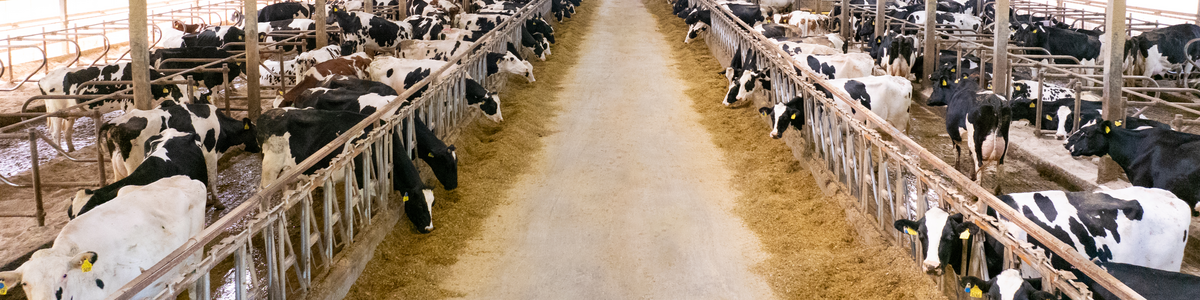
Midyear is a natural time for dairy farmers to step back, evaluate how the year is unfolding and begin planning for what's ahead.
With crops planted and growing, producers have a clearer picture of production costs and milk prices. Many also have a better understanding of their margin and profit potential for 2026.
As we visit with dairy farm families, a common theme continues to emerge: While milk prices have softened from last year's levels, many producers feel better about the year than they expected.
Optimism remains strong, but so does a healthy dose of caution as farm families evaluate major investments and consider the next steps for their operations.
Several factors are contributing to that positive dairy industry outlook.
What's Driving Optimism on Dairy Farms?
Strong Financial Positions
Most dairies have generated profits in four of the past five years, if not all five.
In addition, cattle, land and facility values have strengthened considerably. Owner equity and working capital levels are among the strongest they've been in many years.
That financial strength gives many dairy operations greater flexibility as they evaluate investments and prepare for changing market conditions.
Continued Demand for Dairy Products
Demand remains solid and is expected to continue growing.
Dairy product inventories remain at reasonable levels, which producers view as encouraging. That's despite the national dairy herd increasing to more than 9.6 million cows and milk production growing at an annual pace of 2% to 3%.
Many farmers also believe the industry could reduce the national herd by 100,000 cows relatively quickly if market conditions signaled a need for lower milk supplies.
Excellent Productivity and Cow Care
Many farms are achieving nearly 7 pounds or more of combined butterfat and protein per cow per day.
Advancing genetics, improved facilities and continued gains in cow care and management are supporting ongoing improvements in productivity, herd health and longevity.
Strong Beef Revenue
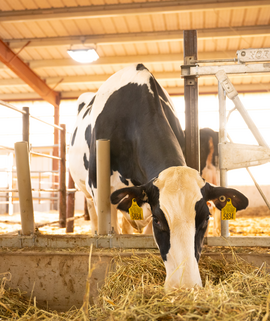
Beef revenue has been a game changer over the past several years.
Crossbred dairy-beef calves approached $2,000 per head this spring. Additional revenue from beef calf sales and higher cull cow values is adding an estimated $3 to $5 per hundredweight to the bottom line. It's a significant reason profits are exceeding expectations this year.
Why Dairy Producers Remain Cautious
While producers generally have a favorable outlook, several factors are causing them to take a measured approach as they plan ahead.
These concerns aren't necessarily preventing new investments. Instead, they're prompting producers to evaluate opportunities more carefully before moving forward.
Rising Production Expenses
Several expense categories continue to trend higher, including agronomy inputs, diesel fuel, wages, supplies and repairs.
Currently, strong beef revenue and lower feed costs are more than offsetting these increases. As a result, many farms are maintaining a cost of production below $16 per hundredweight on an energy-corrected basis.
However, if beef prices moderate, the underlying cost of production could quickly move back into the $18 to $19 per hundredweight range.
While beef prices are expected to remain strong through this year, producers recognize that current market conditions may not last indefinitely.
High Construction Costs
New parlors, freestall barns, heifer housing facilities and manure management systems quickly become multimillion-dollar investments.
While many farms have the financial strength to support these projects, taking on additional leverage requires careful planning to ensure the investment generates an adequate return.
Even financially strong operations are asking tougher questions before moving ahead with major projects than they were just a few years ago.
Increasing Land Values
Rising farmland values strengthen the balance sheet on land already owned but create challenges when evaluating potential purchases.
Farms are reluctant to pass up opportunities to purchase nearby land. However, major acquisitions can tie up capital that might otherwise be invested directly into the dairy operation.
Regulatory Complexity
The regulatory process associated with dairy expansion remains time-consuming and expensive.
Producers continue to encounter public resistance in some areas, even when following all required regulations and best management practices.
For farms considering a Concentrated Animal Feeding Operation (CAFO) permit for the first time, the process and associated costs can feel overwhelming.
Key Takeaways for the Second Half of 2026
Dairy producers have several reasons for optimism:
- Strong balance sheets and working capital
- Continued demand for dairy products
- Improving productivity and cow care
- Strong dairy-beef and cull cow revenue
At the same time, producers are keeping a close eye on:
- Rising production expenses
- Construction costs
- Farmland values
- Regulatory requirements
Looking Ahead to 2027
As we move through the second half of the year and into 2027, dairy producers generally remain optimistic about the direction of the industry.
Consumer perception of dairy products remains favorable, and demand continues to be strong.
While net income will likely be lower than last year because of softer milk prices, continued gains in productivity and strong beef revenue are supporting healthy profit levels on many farms.
Even with those positives, producers recognize that rising expenses, elevated construction and land costs and increasing regulatory requirements require careful planning.
Successful operations continue to balance optimism with discipline, evaluating investments strategically while maintaining the financial flexibility to respond as market conditions evolve.
No one can predict every market shift or unexpected challenge. However, taking the time to develop a thoughtful plan allows producers to test assumptions, evaluate opportunities and make informed decisions before circumstances force them to react.
In an industry that has always rewarded resilience and adaptability, that preparation may be one of a dairy farm's greatest advantages.