Ethanol Market Outlook 2025: Policy and Profit Trends
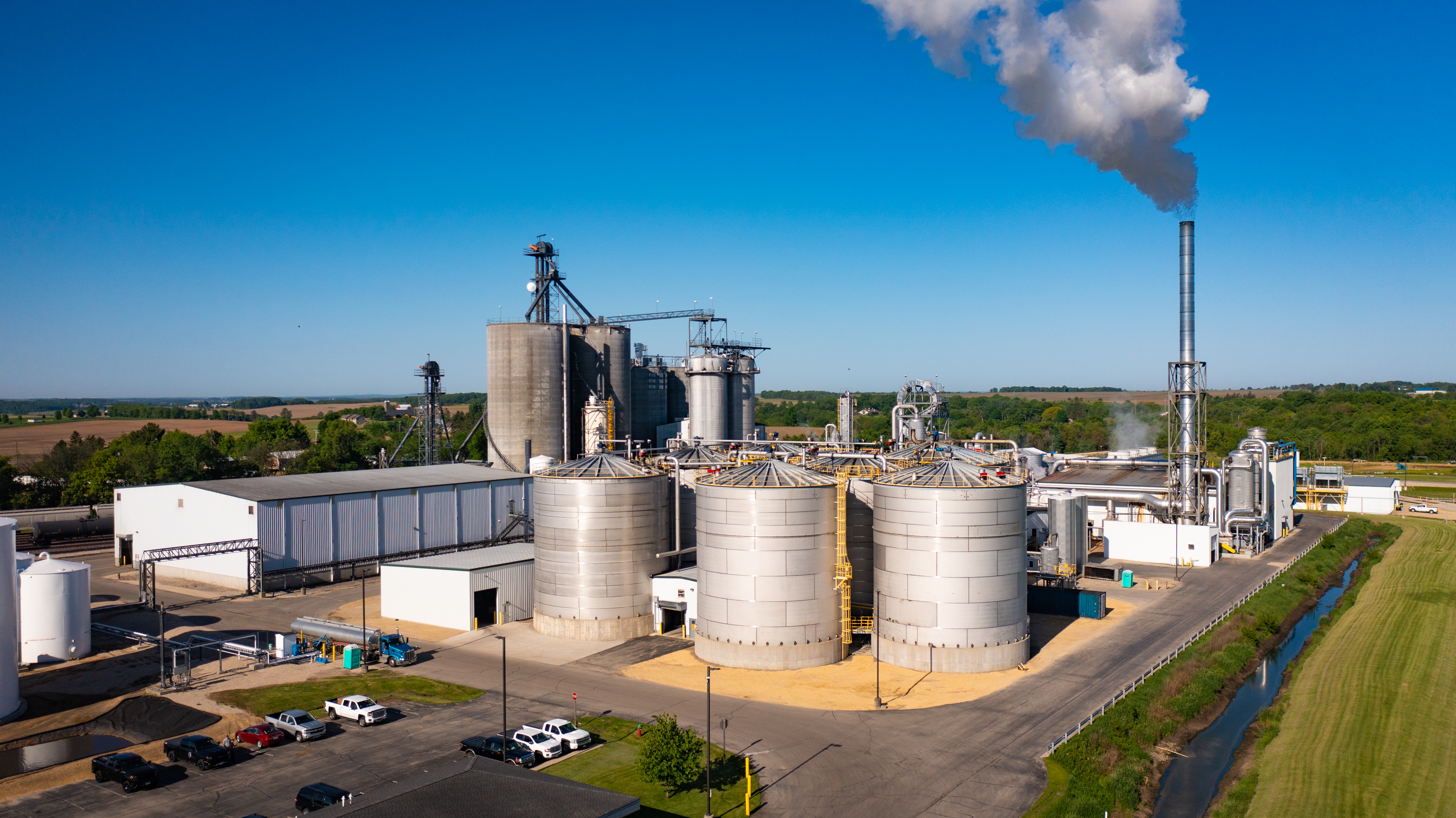
Policy, Profitability and the Path Forward for Ethanol
The ethanol market enters 2025 with cautious optimism. A combination of policy incentives, evolving technology and rising interest in carbon capture is redefining the future of renewable fuel production. For producers and farmers, understanding how tools like the 45Z tax credit and emerging carbon capture and sequestration markets intersect will be key to staying competitive and financially resilient.
Policy Incentives Drive a Shift in Strategy
The renewable fuels sector is undergoing one of its most significant transformations in years. The federal 45Z tax credit – part of the Inflation Reduction Act – offers performance-based incentives for clean fuel producers based on carbon intensity reductions. Unlike previous credits that focused on volume, 45Z rewards lower-carbon ethanol production, encouraging innovation and operational efficiency.
For farmers, the 45Z tax credit for farmers offers indirect benefits. By partnering with low-carbon ethanol plants, producers can create new market opportunities and potentially receive premiums for sustainable feedstock. The structure of this credit emphasizes collaboration across the supply chain, from field practices to fuel production.
Learn more: Compeer Renewable Energy Specialists
Ethanol Market Conditions in 2025
The ethanol market continues to stabilize following years of price volatility and shifting global demand. Margins remain tight but sustainable, with producers balancing input costs, operational efficiency and evolving compliance requirements.
Export activity has strengthened modestly, supported by continued demand from Canada and emerging Asian markets. At the same time, U.S. domestic consumption remains steady, bolstered by ethanol-blended gasoline and state-level initiatives that support renewable fuel standards.
While feedstock costs have eased compared to 2023 levels, producers face ongoing competition for corn supplies as livestock, feed and biofuel sectors compete for the same resources. Operational discipline remains critical as the industry adapts to evolving financial and environmental benchmarks.


Carbon Capture and Sequestration Markets Emerge
Perhaps the most dynamic new frontier for the renewable fuels industry is the carbon capture and sequestration (CCS) market. Ethanol producers are exploring large-scale projects that capture and store CO2 emissions from fermentation. These initiatives can significantly reduce a plant’s carbon intensity score, enhancing eligibility for 45Z tax credits and positioning ethanol as a low-carbon energy source.
While project development and permitting remain complex, partnerships between ethanol plants, energy companies and financial institutions are expanding rapidly. These collaborations are expected to accelerate carbon capture infrastructure investment throughout 2025 and beyond.
Explore Ag Financing Solutions
Investment, Risk and Opportunity
Ethanol producers and investors are evaluating how policy-driven incentives will reshape plant operations, financing and capital allocation. For many, carbon capture investments present a unique chance to enhance sustainability while unlocking new revenue streams.
However, projects require significant capital and carry both regulatory and operational risks. Lenders, including Compeer Financial, emphasize operational risk management and a thorough understanding of each project’s financial model before committing funds. The 45Z tax credit may offset some costs, but success will depend on disciplined planning, strong partnerships and robust financial oversight.

Looking Ahead: The Role of Ag Finance in Renewable Growth
The next phase of the ethanol industry will be defined by strategic adaptation, aligning policy incentives with profitability. Producers who embrace carbon capture technologies, manage costs effectively and partner with strong financial advisors will be best positioned to thrive.
The ethanol market remains an essential part of the renewable energy transition, offering both environmental and economic benefits. Compeer Financial continues to support producers, lenders and investors navigating this evolving landscape with expertise and tailored financing solutions.
From Policy to Profitability
The ethanol industry’s outlook for 2025 is one of transformation, collaboration and opportunity. As producers adapt to new market realities, tools like the 45Z tax credit and carbon capture and sequestration market will shape how the sector defines success.
Connect with a Compeer Renewable Energy Specialist to explore financing, risk management and strategic options to help your business lead in the evolving renewable fuels market.


