U.S. Swine Industry Outlook 2025: Margins and Risk
Stronger Margins Offer Opportunity, and a Call for Discipline
As of mid-year, 2025, the U.S. swine industry is enjoying a cautiously optimistic period supported by stronger margins, easing feed costs and steady domestic demand. However, lingering headwinds, particularly finishing space shortages, regulatory pressures and high construction costs – require producers to take a strategic, financially disciplined approach to sustain profitability and long-term stability.
Production and Feed Cost Relief
U.S. pork production is expected to remain steady through 2025. While herd expansion has slowed, production per sow continues to increase, driven by improved genetics, herd health and precise nutritional strategies.
One of the most positive developments this year is the decline in feed costs. Corn has dropped below $4.00 per bushel, with some cash prices near $3.50, while soybean meal trades around $260 to $270 per ton. This has reduced input costs for farrow-to-finish operations, where feed typically represents 60-70 percent of total production expenses.
These lower feed prices have enabled many producers to achieve profits exceeding their 12-month margin targets, with average returns near $30 per head. This provides welcome relief after two consecutive years of financial stress and sets the stage for operational rebuilding.
.png?ext=.png)
Managing Risk and Locking in Margins
With profitability returning, now is the time for producers to lock in margins and manage downside risk. Through risk management services such as:
- Livestock Risk Protection Insurance (LRP)
- Lean hog futures
- Put options and option spreads
Producers can safeguard profit targets and reduce exposure to feed or price volatility. These tools play a vital role in operational risk management, helping ensure stability even when markets shift unexpectedly.
But this is not a time for complacency. Instead, producers should view this profitability window as an opportunity for strategic reinvestment in facilities, balance sheets and long-term efficiency.
|
Finish Space Bottlenecks Challenge Efficiency
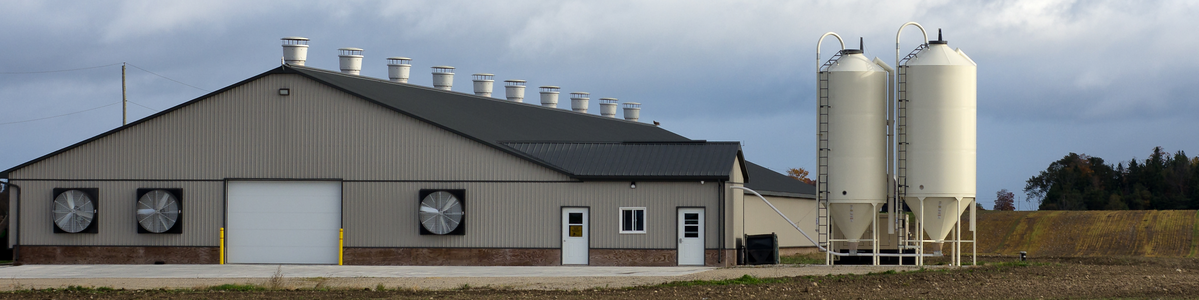
Despite improving economics, a key constraint facing producers is the persistent shortage of finishing space. This bottleneck has developed from several converging factors:
- Low profitability in 2023 and early 2024 discouraged capital investment across the sector, delaying facility expansion or renovation projects.
- High constructions costs remain a major barrier, with new finishing barns costing $430-$525 per space depending on region and design.
- Improved herd health has boosted survivability, resulting in more pigs reaching market weight and further straining existing space.
The result: producers are holding pigs in nurseries longer, double-stocking barns or adjusting marketing schedules to manage throughout.
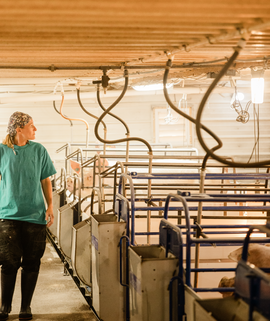
Efficient barn turnover, advance contracting of finishing slots and flexible production planning have become essential components of operational risk management. For those with capital and permitting flexibility, investing in modernized finishing space – with updated ventilation and manure systems – may provide long-term value.
Rebuilding the Balance Sheet
With margins improving, many operations are refocusing on rebuilding working capital and owner equity – both strained during 2023-2024. This financial recovery often competes with infrastructure needs, but both are critical to long-term resilience.
According to the Compeer Financial Pork Producer Financial Index, average owner equity has improved from 48 percent at year-end 2024 to 53 percent year-over-year. While encouraging, this remains below the benchmark range of 44-60 percent, generally viewed as the threshold for long-term stability.
Rebuilding your balance sheet now with solid margins can help insulate your business from future disruptions and position you to capture opportunities others may not be ready to pursue.
Looking Ahead: Turning Strength into Strategy
The improving fundamentals in 2025 – better margins, feed cost relief and effective use of risk management services, present an opportunity to reinforce long-term financial health.
By integrating livestock risk protection insurance and lean hog futures into regular planning, producers can mitigate volatility while maintaining flexibility. Strategic reinvestment in facility upgrades, debt reduction and working capital all contribute to sustained competitiveness.
From Stability to Strength
The U.S. swine industry is entering a more stable and profitable phase, but continued success depends on discipline and adaptability. With global trade uncertainty and input costs always shifting, risk management will remain a central part of every sound operation.
Connect with a Compeer Swine Specialist to discuss margin protection strategies, operational improvements and lending solutions that can strengthen your business in 2025 and beyond.


