Big Crop, USDA Payments and a Fed Cut Shape Ag Markets

- 7 minute read or Click here and save for later -
Although it’s been over a month since the federal government reopened, the 43-day gap in data collection continued to impact some aspects of governmental economic reporting used by economists and more for decision making. As we progress towards 2026, these data timing issues will eventually resolve. But for now, some reports have been cancelled, some have been delayed, and timing in general is a little out of the norm. Case in point, the time between the November World Agricultural Supply and Demand Estimates (WASDE) and December WASDE was a tad shorter than normal and ultimately resulted in a very quiet, minimal change report for corn and soybeans.
Corn prices hold as supplies stay historically large
For corn, the U.S. outlook remained steady. On the supply side, there were no changes to U.S. production, with yields still forecast at 186.0 bushels/acre and acres unchanged at 98.7 million planted and 90.0 million harvested. For demand, ethanol and feed use remained unchanged. The noteworthy demand change showed an upward revision of 125 million bushels of additional U.S. exports, increasing total U.S. corn exports from 3.075 billion to 3.2 billion bushels. Just how strong were U.S. corn exports this fall? If preliminary totals are correct, corn export shipments from September-November 2025 will be record-breaking, exceeding the prior U.S. harvesttime record from 2007 – pre 2008 ethanol boom. Ending domestic stocks declined 125 million bushels based on the additional exports.
Despite the impressive corn demand this fall, the projected season-average corn price remained unchanged at $4.00/bushel. Nonetheless traders on the corn futures market saw the report as slightly bullish, resulting in a nice little pop up in futures prices following the report. Strong corn export demand has been a positive bright spot this fall season.
Soybean outlook reflects lower production, export questions
For soybeans, the report showed even less action. On the supply side, soybean yield remains at 53.0 bushels/acre and acres at 81.1 million planted and 80.3 million harvested. For demand, there were also no changes, meaning the 50 million bushels reduction in projected soybean exports from last month’s WASDE has not been revised back up nor been pulled lower. In grand total, new crop soybean exports are projected to be 247 million bushels less this season (1.635 billion bushels in 2025/26 versus 1.882 billion bushels in 2024/25). Projected season-average soybean price remained unchanged at $10.50/bushel.
The likelihood of China buying 12 million metric tons (440 million bushels) of U.S. soybeans before calendar year end (December) has already all but slipped away, and the executive branch is now indicating February as the more likely anticipated timeline for the purchases.
It’s typical for the December WASDE report to not include supply side changes for corn and soybeans, but since the October WASDE was missed and November had modified timing, it was difficult to say if the lack of supply changes would hold this year in December. It did, and now we will need to wait until January to see if any downward yield revisions will affect supplies or if export trends will continue to affect demand estimates. Stronger year-over-year corn exports and weaker year-over-year soybean exports both seem likely.

Tight margins bring Farmer Bridge Assistance (FBA) payments
Although prices increased for many major row crops since harvest began, margins remain incredibly tight. On Dec. 8, USDA announced Farmer Bridge Payments, consisting of $12 billion in ad hoc support, or in other words additional support above and beyond the traditional Farm Bill safety net programs for agriculture. Of the $12 billion total, $1 billion will be targeted to specialty crops and sugar through a process yet to be detailed. The remaining up to $11 billion is intended for row crop producers to provide relief under the new FBA program. FBA ad hoc payments are in addition to the $30 billion of ongoing ad hoc payments from last December’s American Relief Act.
The FBA program will be authorized by the Commodity Credit Corp (CCC), meaning it does not require further Congressional action to be implemented. The USDA listed increased production costs (i.e., compressed margins) and temporary trade disruptions as the rationale. Further, they stated that this payment is intended to be a “bridge” until the updates to the farm safety net from the One Big Beautiful Bill Act (OBBBA) take effect next fall.
USDA will be letting producers know about the commodity-specific per acre payment rates later this month before the holidays. FBA payments will be released next year in advance of Feb. 28, 2026. The timing of the FBA announcement and subsequent payments were intended to help producers as they work through their year-end numbers, ahead of loan renewal season.
We encourage farmers to continue to monitor further information coming out of USDA on this issue, and to work with their local Farm Service Agency (FSA) office on the process.
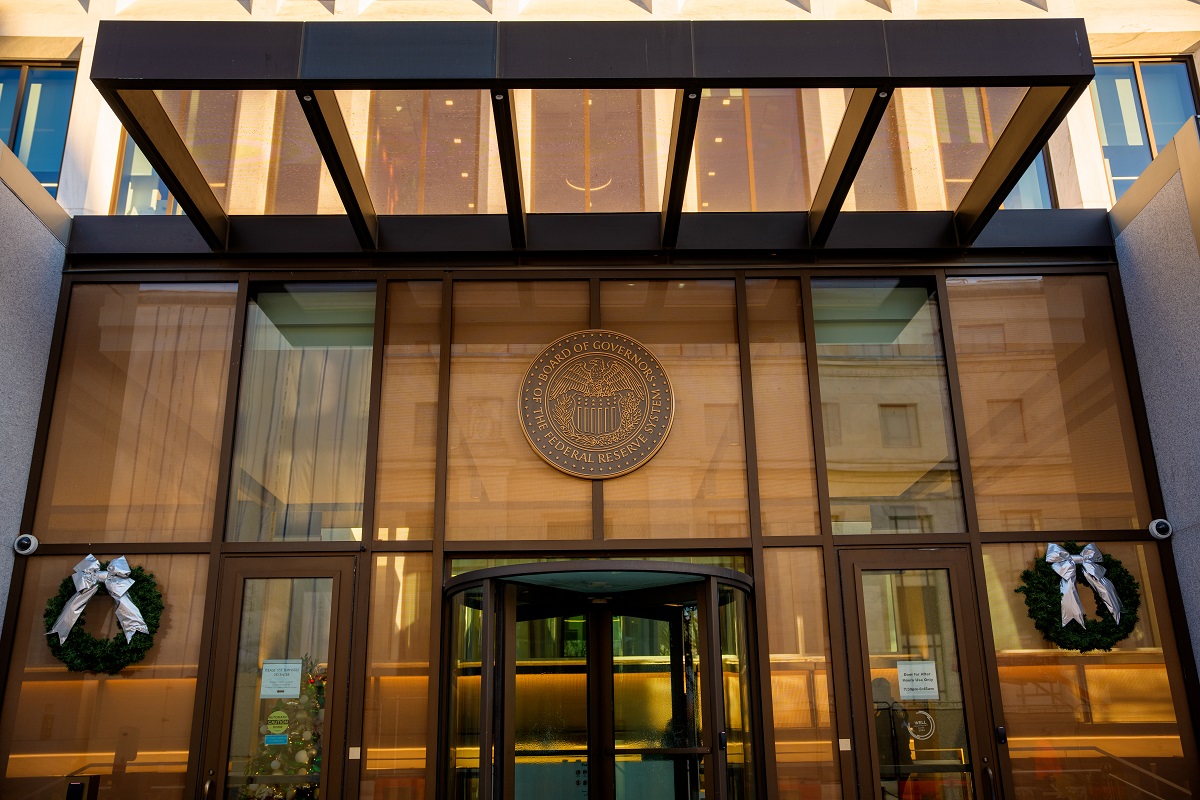
As expected, the Federal Reserve ends the year with another fed funds rate cut
At the time the November Economic Minute was published it was unclear what the Federal Open Market Committee (FOMC) of the Federal Reserve would do at their December meeting regarding rate cuts. As described earlier, many economic reports were affected by the government shutdown and until data became available, it was difficult to guess how the committee would proceed. As time wore on and data were released, it became more and more likely that a rate cut would occur.
Inflation remained high, but not too high, with the delayed September Personal Consumption Expenditures (PCE) index showing a 2.8% year-over-year inflation for both headline and core (which excludes food and energy prices). With the October Employment Situation report completely cancelled, and the November Employment Situation report delayed until after the Fed met, the September nonfarm unemployment rate of 4.4% was the most recent major labor data available. Of those two datapoints, the unemployment rate was considered the greater concern over inflation, indicating to economists the Fed would probably make a rate cut.
Indeed, the FOMC announced one cut to the federal funds target rate at the conclusion of their December meeting, dropping the short-term fed funds rate from 3.75-4.00% to 3.5-3.75% and citing the downside risks to employment as a reason. If this seems familiar, it is because this rationale matches the outcome of both the September and October meetings. Why not make more than one rate cut? Lowering rates faster could lead to higher inflation, limiting the slow progress made to lower inflation since 2022.
Signals, including the economic projections and comments from Fed Chair Powell at the post-meeting press conference, seem to suggest the Fed may pause rate cuts in the very near term. While the pace of rate cuts by the Fed may seem slow, the good news is that market interest rates are tracking in the same direction as the fed funds rate this year, unlike a year ago when the fed funds rate dropped, but bond market wariness led to generally higher interest rates. Additional good news for those borrowing from a Farm Credit cooperative – like Compeer Financial – when the Fed makes adjustments, Farm Credit System rates react faster than traditional lenders, leading to opportunities to refinance, restructure debt and/or benefit from lower variable rates.
While the nonfarm employment situation has weakened, agricultural labor remains tight. The focus of our last AgriMindset webinar of 2025 is employment management and retention. Amanda Mosteller, MRA director of talent development, a nonprofit employer association, will highlight Strategic Workforce Planning in Ag on Dec. 17 at 1 pm. If you can’t join live, you can also watch (or listen) to a recording at any time or listen to the AgEdge podcast version a day later wherever you get your podcasts.
The information provided is accurate to the best of the author’s knowledge at time of publishing. It is presented “as is” with no guarantee of completeness, accuracy or timeliness, and without warranty. The information is educational in nature and not investment, legal, accounting, tax or other advice of any kind.
Economic Minute
Get expert insights on commodity prices, interest rates and agriculture economic trends with practical, no-nonsense analysis to make smarter financial decisions on your farm.


