Dairy’s Economic Engine: Market Trends and Outlook

The Value of Dairy
Dairy remains one of the most influential sectors in American food production, nutrition and commercial finance. While it continues to be a daily staple for millions of families, dairy also plays a defining role in job creation, capital investment, export growth and rural development. As producers and processors evaluate today’s cheese market analysis, the data reinforces just how essential the dairy sector is to both the food system and the broader U.S. economy.
Earlier this year I highlighted several dairy statistics that illustrate the industry’s scale. A deeper look shows why dairy’s economic footprint remains strong and how productivity gains, technology and focused dairy herd management continue to drive sustained efficiency.
At the Farm Level
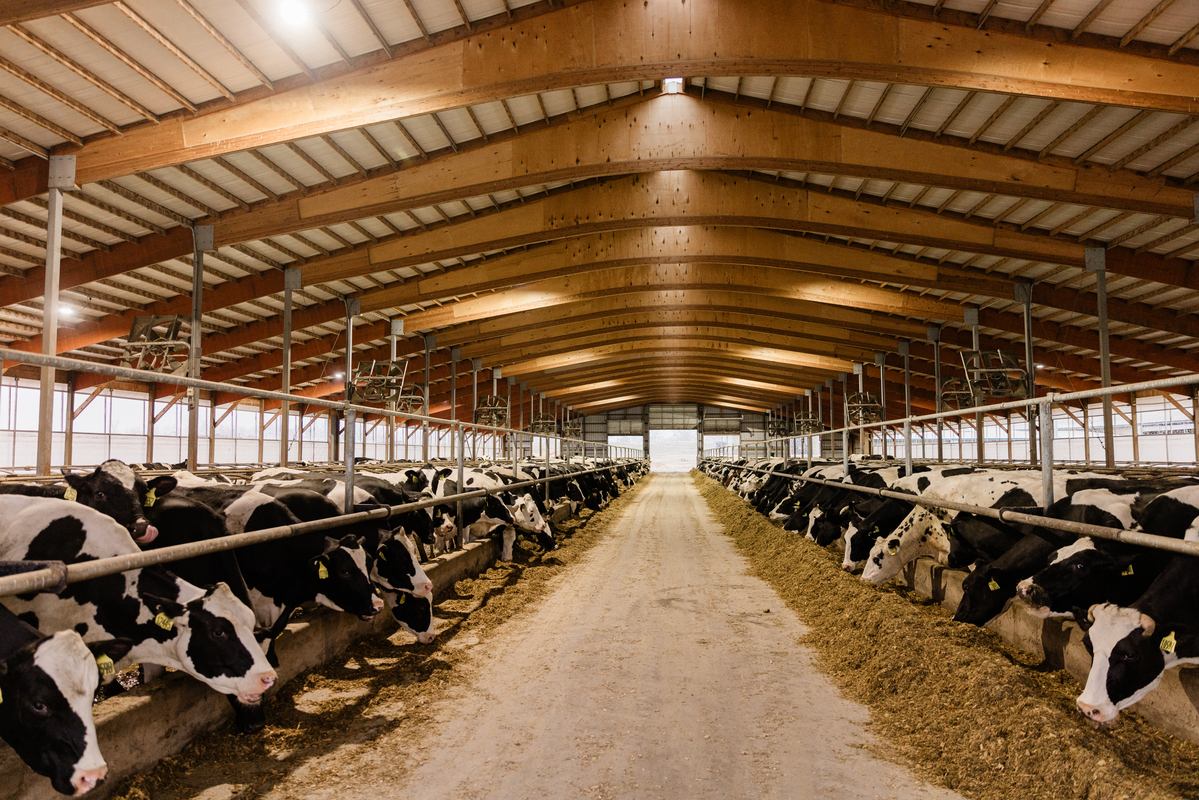
The foundation of the dairy value chain begins on the farm. The U.S. dairy herd sits at roughly 9.4 million head across about 24,500 dairy farms. While herd numbers have declined for decades, output continues to rise, underscoring operational efficiency across the industry.
In 1944, the U.S. herd totaled 25.6 million head. Today’s herd is almost a third of that size, yet it produces far more milk. That expansion reflects improvements in genetics, nutrition, automation and management practices – a clear success story for modern dairy farm operations.
The farm-level economic contribution is also significant. Direct impact totals roughly $52 billion, but expands to nearly $780 billion when processing, transportation, retail and export activity are factored in. Dairy supports over 3 million U.S. jobs and contributes more than $8 billion in annual exports.
Compared with other agricultural sectors – corn at $140 billion, fruit at $90 billion and beef at $320 billion – dairy stands out as one of the largest engines of U.S. agricultural output.
Wisconsin’s Dairy Story
Wisconsin demonstrates how productivity gains have reshaped dairy. The state once had 143,000 dairy farms in 1950; today that number is closer to 5,200. Yet Wisconsin’s milk production has nearly doubled, rising from 17 billion pounds in 1950 to about 32 billion pounds today.
That growth, produced with fewer cows and fewer farms, underscores the sector’s resilience and long-term adaptability. It also aligns with what we see nationally – more value created through better herd management, better technology and a long-term view of efficiency.
At the Production Level: Cheese and Processing Investment
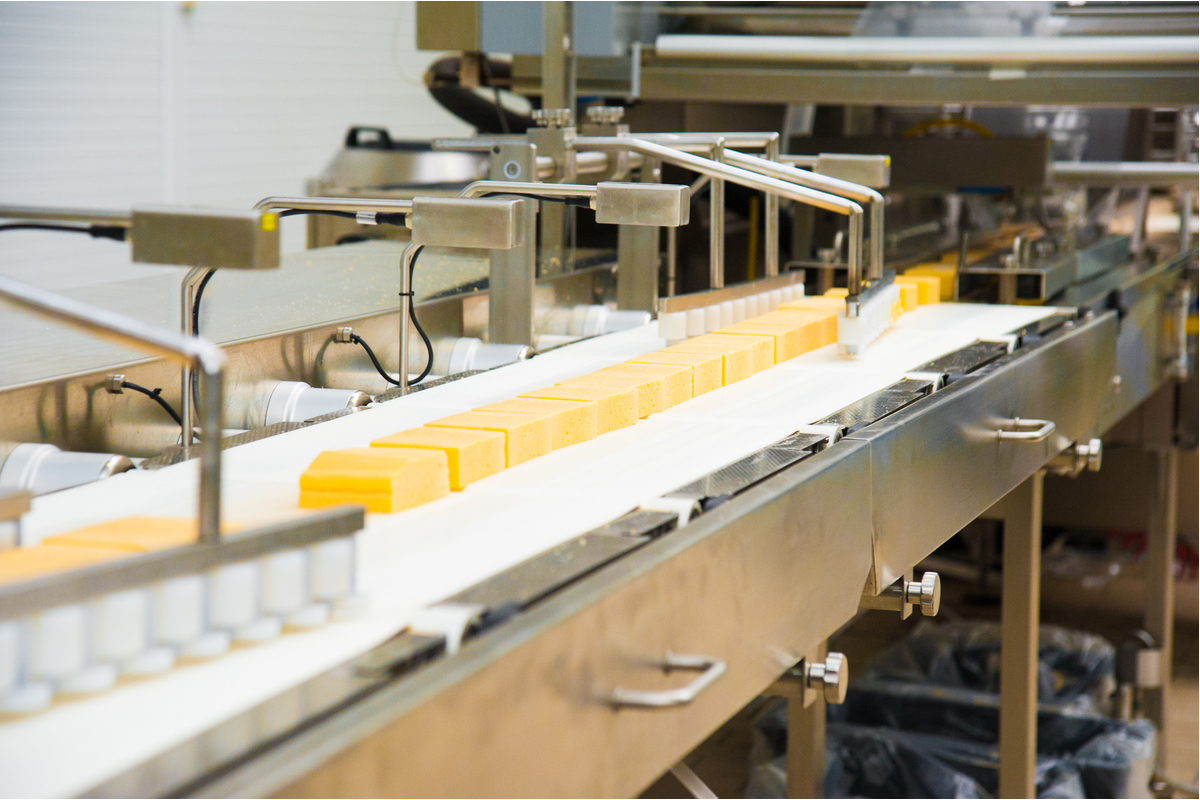
Investment in processing capacity continues to be a key theme for dairy. New facilities and plant expansions are underway across multiple regions, rather than being concentrated in a single area. Through 2028, an estimated $11 billion in capital is expected to be spent on new plants, modernization and capacity enhancements.
This activity spans large commodity cheese plants, specialty cheese makers, value-added processors and mid-sized operations. Automation, labor constraints and product diversity are pushing processors to expand and modernize.
Recent disruptions – including a partial government shutdown, tariff uncertainty and shifting consumer habits – tested market stability. Yet the industry continues to move forward with a strategic, long-term mindset. Food inflation has not significantly slowed spending, and both retail and foodservice channels remain strong demand drivers.
In 2024, food-away-from-home spending represented 59 percent of total food dollars, reinforcing the importance of foodservice buyers to dairy and cheese processors.
In the Grocery Aisle
Dairy remains deeply embedded in consumer behavior. Of the estimated 500,000 - 600,000 branded food and beverage items sold at grocery retail; dairy is included in 60-70 percent of SKUs – either as a core ingredient or supporting component.
Fresh dairy remains one of the strongest traffic drivers in the perimeter department. Dairy accounts for 9-11 percent of total store sales, just behind produce and meat. Consumers include dairy on their shopping list about 60 percent of the time, making it one of the most consistent items in the basket.
Headwinds vs. Tailwinds in Dairy Markets
Like all commodity sectors, dairy and cheese markets move in cycles. The balance between headwinds vs tailwinds helps shape margins, utilization and investment decisions.
Tailwinds
- Strong and growing export demand
- Continued progress in trade negotiations
- Expanding global customer base
- Long-term confidence in dairy proteins and nutrition
Headwinds
- Currency strength and global competition
- Shifts in production among competing exporters
- Policy uncertainty affecting programs such as SNAP
- Economic risk for households that rely on food assistance
SNAP spending alone topped nearly $100 billion in 2024. An estimated 55 percent of those dollars support dairy, meat and poultry. Any disruption to these programs can have a material impact on dairy demand and nutritional access.
These variables reinforce the need for continued focus on cost structure, product mix discipline and risk management at both the farm and processor levels – areas where Compeer partners deeply with clients.
A Long Runway Ahead
Across the full dairy value chain, the long-term outlook is positive. Dairy provides high-quality protein and essential nutrients, supporting its role in dietary guidance and consumer preferences. Producers, processors and lenders continue to invest in efficiency, innovation and growth.
From the farm to the plant to the grocery cart, dairy remains essential. Its ability to adapt and invest ensures a stable future for producers, consumers and the broader economy.
Commercial Financing Solutions
At Compeer Financial, we understand the vital role that rural communities and their businesses and infrastructure contribute to our nation’s economic health.