Improve Grow-Finish Pig Performance
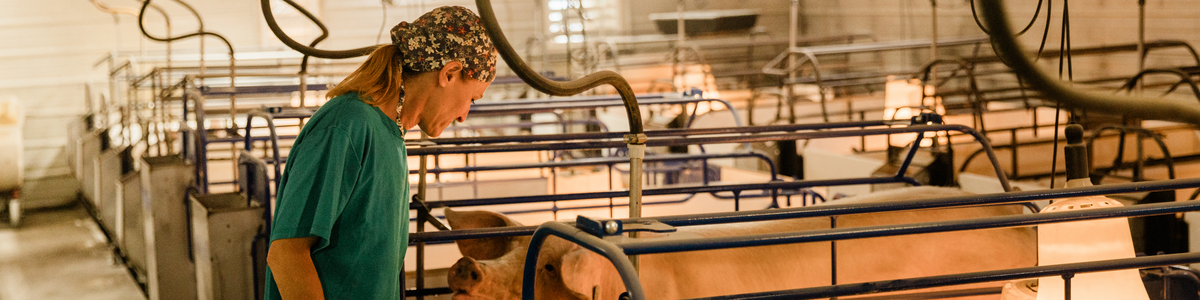
Strong grow-finish performance doesn't happen by chance. It requires consistent management across herd health, nutrition and performance monitoring. Market conditions may fluctuate, but producers who focus on these fundamentals are better positioned to improve feed efficiency, reduce variation and support long-term profitability.
Three management areas continue to have the greatest impact on grow-finish pig performance: herd health, nutrition and benchmarking. Each plays a direct role in driving performance, supporting animal well-being and maintaining economic efficiency.
Grow-Finish Health: The Foundation of Performance
The grow-finish phase is one of the most important stages in a pig's life cycle, representing the period of most rapid growth. Maintaining herd health during this stage helps improve performance and avoid costly disruptions that can quickly erode margins.
A strong biosecurity program remains the first line of defense. This starts with building a culture of consistency across the operation. Clear protocols should guide every person, vehicle and piece of equipment entering the farm, from access control and sanitation practices to load-in and loadout procedures. Attention to detail helps reduce the risk of introducing disease while protecting overall herd performance.
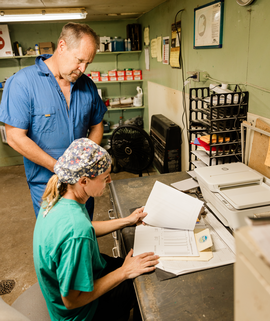
In addition to biosecurity, proactive herd health management is critical. Communication with your veterinarian and animal health partners can help evaluate herd health status, identify emerging risks and tailor programs to your operation's needs. Common infectious diseases such as influenza and porcine reproductive and respiratory syndrome (PRRS) continue to require close monitoring and a disciplined approach to prevention.
Managing stress throughout the grow-finish phase is equally important. Barn density, environmental conditions and handling practices all influence stress levels, which in turn affect immune response and feed efficiency. Providing adequate space, maintaining proper ventilation and ensuring consistent handling practices can help reduce variability and support more predictable outcomes.
Key Takeaways
- Build a consistent biosecurity program.
- Work closely with your veterinarian and animal health partners.
- Reduce stress through proper housing, ventilation and handling practices.
Nutrition: Driving Growth and Efficiency
Nutrition is a primary driver of performance during the grow-finish stage, directly influencing growth rates, feed efficiency and overall herd health. While balanced rations are essential, consistency in feed delivery and access to clean, high-quality water are just as important.
Regularly reviewing performance data and adjusting feeding strategies can help fine-tune results over time. Many producers benefit from working closely with a nutritionist or veterinarian to evaluate ration formulations, assess feed efficiency trends and identify opportunities for improvement. Even small adjustments can have a meaningful impact on overall performance.
Reviewing your feeding strategy regularly can also help improve feed efficiency and better manage feed costs.
Technology also continues to play a larger role in nutrition management. Tools such as bin sensors and water monitoring systems provide greater visibility into consumption patterns, helping identify issues earlier. Producers are increasingly using advanced technologies, including camera-based systems, to monitor growth and variation within groups of pigs.
With more data available than ever, the opportunity lies in turning that information into actionable insights. Timely, data-informed decisions allow producers to respond more quickly, manage performance more precisely and reduce inefficiencies that might otherwise go unnoticed.
Benchmark Performance to Identify Opportunities
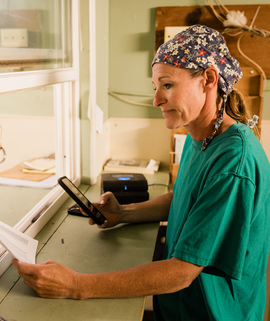
Benchmarking is a valuable tool for evaluating performance and identifying opportunities for improvement. Producers should consistently review key grow-finish metrics, including average daily gain (ADG), feed conversion ratio (FCR), mortality and market weight, to understand how their operation is performing.
Tracking these metrics over time helps identify trends and highlights where adjustments can improve performance. While comparing results against industry benchmarks offers useful context, evaluating performance against your own historical data is equally important.
Internal benchmarking allows producers to measure progress, assess the impact of management changes and determine whether those changes are delivering the expected results.
Benchmarking with other peers can also provide valuable perspective. Understanding how similar operations are performing and where differences exist may reveal new management strategies worth considering.
Consistent Management Drives Long-Term Success
Strong grow-finish performance comes down to consistent execution in the areas producers can control. Maintaining herd health, delivering effective nutrition programs and leveraging benchmarking insights all contribute to improved efficiency and profitability.
By staying focused on these fundamentals and making informed, timely adjustments, producers can strengthen performance and position their pig production operations for long-term success.
Looking for additional insights on swine production and financial management? Explore more resources from Compeer Financial's swine industry specialists.