Locking in Feed Costs While Margins Hold
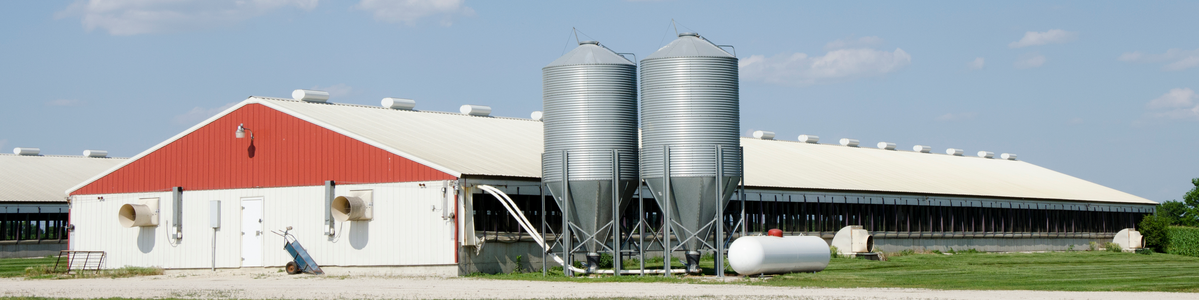
Hog producers are seeing a return to profitable margins. Industry sentiment has shifted to cautious optimism. Futures markets indicate positive returns may hold over the next 12 months and possibly longer.
After several difficult years, this environment creates both opportunity and responsibility. Producers must protect margins while they are available.
Strong margins do not sustain themselves.
Feed Still Drives the Margin Equation
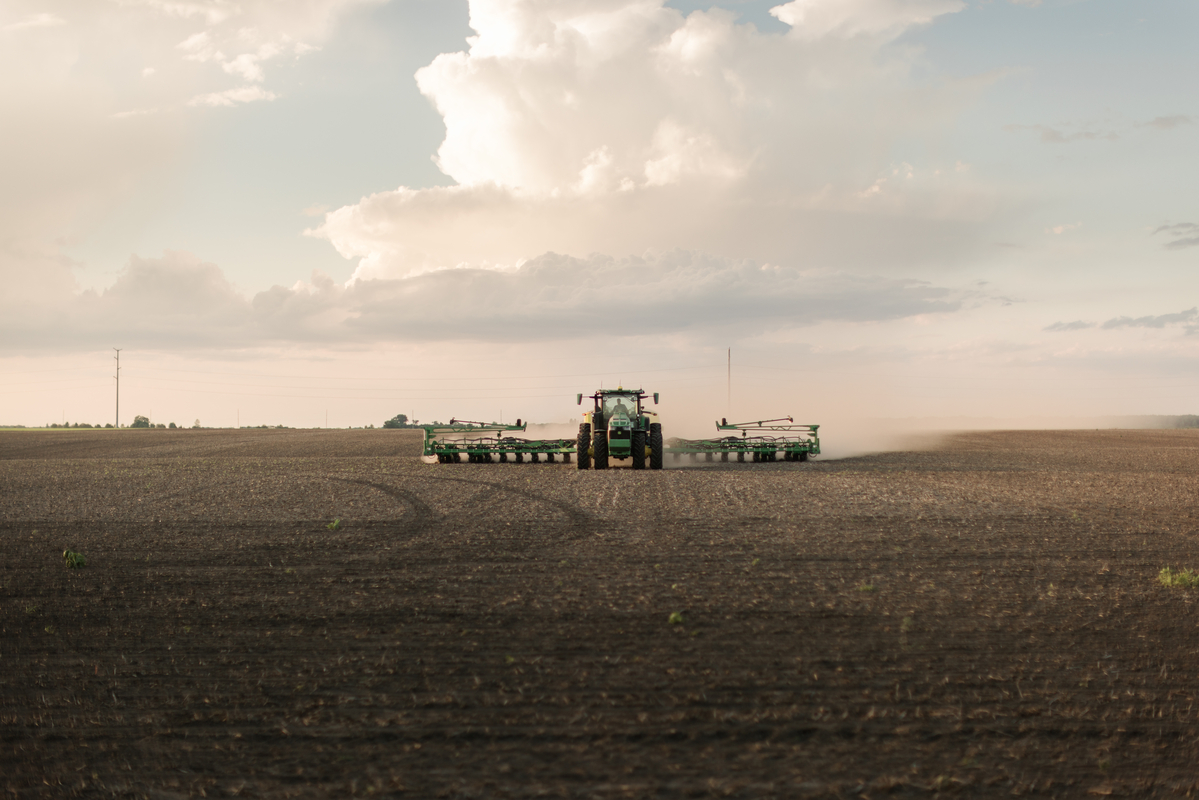
Feed remains the largest expense in swine production, accounting for 60 to 70 percent of total costs. Corn and soybean meal prices continue to drive swine feed costs and overall profitability.
Even small changes in grain prices can quickly impact margins.
- A $0.10 per bushel increase in corn adds about $0.43 per hundredweight
- A $10 per ton increase in soybean meal raises costs about $0.37 per hundredweight
If corn rises $0.30 and soybean meal increases $30 per ton, feed costs can climb more than $2.40 per hundredweight. That level of change can significantly reduce profitability.
These are routine grain market movements driven by weather, exports, global supply and geopolitical factors.
Most margin pressure does not come from sudden drops in hog prices. It often comes from rising input costs. That makes swine feed cost management essential during profitable cycles.
Strong Hog Prices Are Not Enough
Higher hog prices improve revenue and boost confidence. However, profitability depends on both revenue and swine feed costs.
Producers who focus only on hog prices leave margins exposed. Rising feed costs can pressure hog margins.
The most resilient operations focus on securing margins that meet financial goals. They do not attempt to time the grain market. They protect returns that work on paper, so they hold when markets shift.
Explore Compeer’s Swine Industry Outlook for margin trends and market insights
A Strategic Window for Action
Grain markets have moderated compared to recent highs. Improved crop supplies have reduced pressure on swine feed costs.
Volatility remains present in grain markets. Weather, policy changes and global trade can quickly shift prices.
Locking in feed costs during profitable periods creates more certainty. It turns projected margins into protected margins.
The goal is not to capture the lowest possible price. The goal is to secure feed costs that support sustainable profitability.
Tools to Manage Feed Cost Risk
Producers have several tools to manage swine feed cost risk:
- Forward contracting corn and soybean meal
- Hedging with futures or options
- Using margin protection insurance products

Each tool offers a different level of flexibility. Forward contracts provide price certainty. Futures and options offer more flexibility but require discipline.
Many operations use a layered approach. This strategy strengthens overall feed cost risk management while maintaining flexibility.
Learn more about Risk Management Strategies for agriculture operations
Considering Livestock Gross Margin Insurance
Livestock Gross Margin (LGM) insurance is one option to protect margins. This USDA program uses futures prices to calculate expected margins.
If margins decline as hog prices fall or feed costs rise, the policy provides an indemnity payment.
LGM can support operations that prefer not to trade futures. It works best as part of a broader risk management strategy.
Review Compeer’s Livestock Insurance Solutions to evaluate coverage options
Discipline During Profitable Cycles
Profitable cycles do not occur every year. When they do, disciplined producers strengthen liquidity and rebuild working capital.
Locking in feed costs is not overly conservative. Protecting feed costs helps capture opportunity.
Securing input costs helps maintain projected returns. It also provides confidence when making capital decisions or working with lenders.
The pork industry operates in cycles. Margins will tighten again as market conditions change.
Producers who protect swine feed costs during strong periods are better positioned for the next downturn.
The Bottom Line
The current environment presents a clear window for action.
Producers who actively manage swine feed costs can protect margins and stabilize profitability.
Those who act with discipline today will be better positioned for the next market cycle.


