Middle East Conflict Impacts Dairy Markets
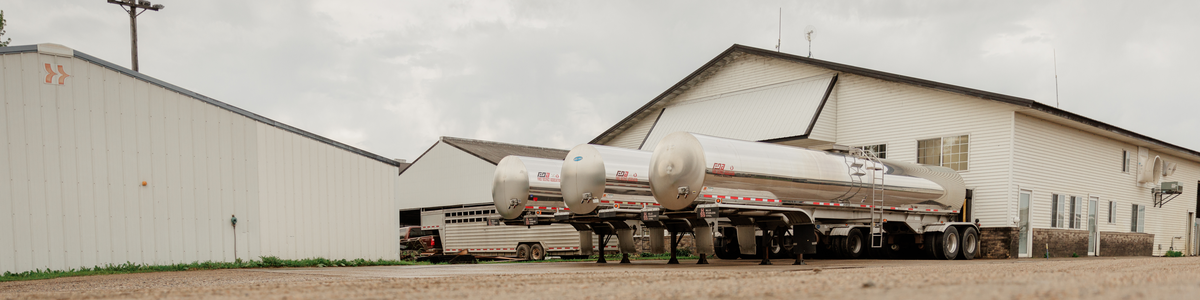
The ongoing conflict involving Iran is sending ripple effects through global markets. Since late February, the United States and Israel have targeted Iranian leadership through military action. The most immediate impact has been in energy, particularly oil.
While the Russia-Ukraine conflict influenced energy markets, this situation has been faster and more disruptive. Oil prices moved from $60–$70 per barrel to above $100 within weeks, with Brent crude peaking near $144 before easing.
Geography plays a major role. Iran sits along the Strait of Hormuz, a route that carries about 20% of the world’s oil supply. Additional risk at the Bab el-Mandeb Strait could disrupt even more energy shipments.
The speed and magnitude of this shift are significant. These shifts are still working through the system. These shifts are shaping the dairy market outlook and creating new cost pressures across the supply chain.
Key Drivers Impacting Dairy Markets
- Rising oil prices increasing transportation costs
- Higher fertilizer prices raising feed expenses
- Packaging cost inflation from plastics
- Regional energy disparities impacting margins
Energy Costs Are Driving Inflation
Oil remains the world’s primary energy source and accounts for 38% of U.S. energy use. As energy prices increased, inflation followed.
March’s Consumer Price Index reached 3.3%, with energy up 10.9% and gasoline rising more than 20%. Airfare increased nearly 15% year over year.
Higher energy costs added an estimated $75 per month to U.S. household expenses in March. That figure could double if disruption continues.
These increases extend far beyond fuel. They move through manufacturing, transportation and consumer spending. For agriculture, the effects reach deep into the dairy supply chain. This is where pressure on dairy markets begins to build. Explore broader dairy industry trends shaping the year ahead.

Fertilizer Costs Raise Feed Expenses
Fertilizer is one of the first areas impacted.
Liquefied natural gas is a key input for nitrogen fertilizers like ammonia and urea. When energy prices rise, fertilizer costs follow.
About one-third of global fertilizer trade moves through the Strait of Hormuz. Disruption creates uncertainty for crop production worldwide.
In the United States, producers secured roughly 75% of fertilizer needs ahead of planting. This limits short-term impact. Longer term, higher prices are likely.
Globally, the situation is more challenging. Countries that rely on imports may reduce fertilizer use or shift crops. That can lower yields and tighten food supplies.
For dairy producers, the connection is direct. Higher fertilizer costs increase crop input costs, which raise feed prices. Feed remains one of the largest expenses on a dairy operation. This is a key driver of rising dairy production costs in the current environment.
This is where global disruption reaches the farm gate. Learn more about managing input cost volatility in changing market conditions.
Packaging Costs Continue to Climb
Processors are also seeing rising costs in packaging.
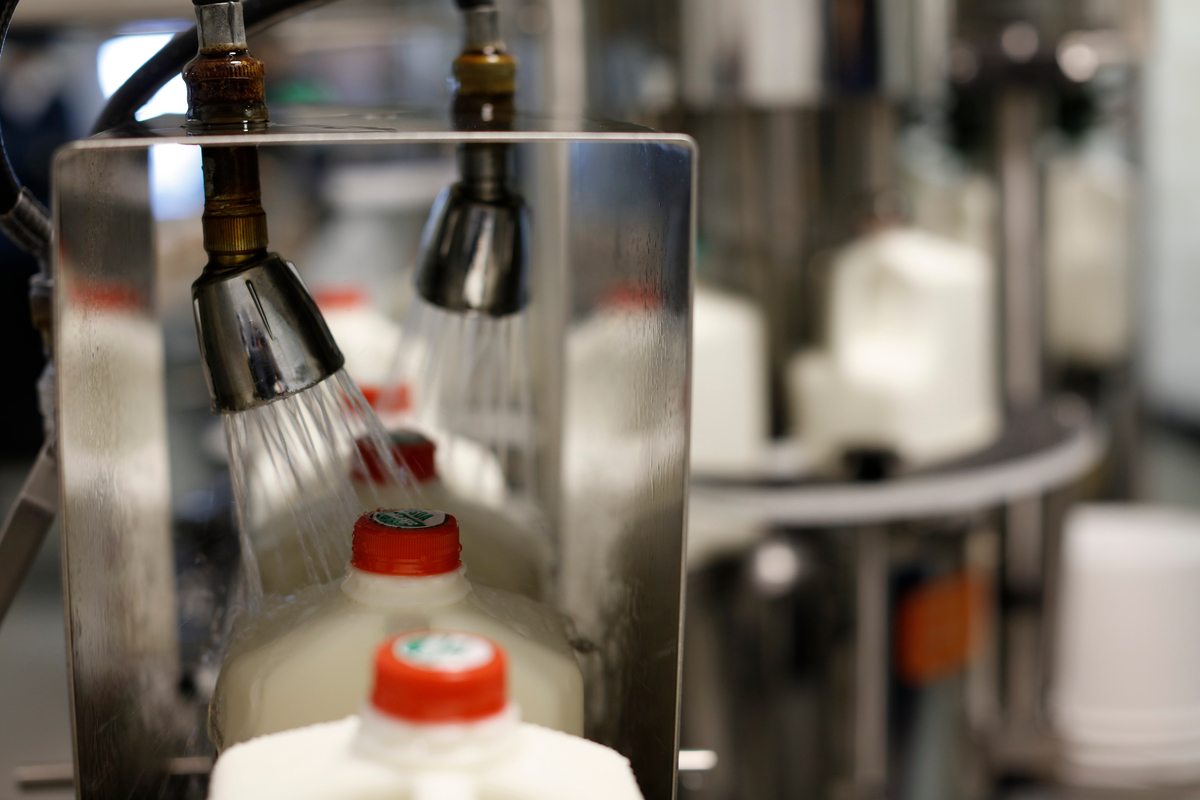
Polyethylene, a common plastic used in dairy packaging, has increased about 30% since the conflict began. Much of its supply depends on export routes tied to the Middle East.
Processors use this material in milk jugs, butter containers, shrink wrap, lids and bulk packaging. It represents nearly half of dairy packaging materials.
When combined with higher transportation and utility costs, the impact increases significantly.
Processors may pass some of these costs on to consumers. However, sustained increases may pressure margins and influence consumer demand across dairy markets.
-1200x800-5b2df79.jpg)
Regional Impact: California
The impact of global energy markets is not uniform. California highlights how local dynamics can amplify these pressures.
The state imports about 75% of its crude oil, with a significant share coming from the Middle East. It also relies on imported gasoline and jet fuel.
In early April, California gasoline prices were about $1.75 per gallon higher than the national average.
Structural factors add to the challenge. Oil production has declined more than 50% over two decades. Refinery closures and limited transportation options increase reliance on imports.
Even if global markets stabilize, higher logistics costs may persist.
For dairy producers and processors, this means elevated fuel, energy and distribution expenses.
What to Watch in Dairy Markets
Several factors will determine how dairy markets respond in the months ahead:
- Oil price stability and global energy supply
- Fertilizer pricing into the next crop cycle
- Feed cost trends and crop production levels
- Consumer demand as inflation pressures persist
These variables will shape margins and influence dairy market trends through the rest of the year.
What It Means for Dairy Markets
The effects of this conflict are still evolving, but the direction is clear.
Oil remains central to the global economy. Disruptions move quickly through the dairy supply chain.
- Higher fertilizer costs raise feed expenses
- Packaging costs increase processing expenses
- Transportation costs impact margins across the supply chain
These pressures are interconnected. They are already influencing costs at both the farm and processor level.
The challenge is not just the immediate impact, but how long these pressures persist. Dairy producers and processors that focus on costs and market signals will be better positioned to manage volatility. Explore risk management strategies to protect margins in uncertain markets.