Strengthen Coverage, Control Costs: ARC, PLC, SCO and ECO
-1200x300-f092e7f.png)
ARC and PLC: Updated Tools for a Changing Market
Uncertainty for 2026, including an undetermined spring price, makes the Agriculture Risk Coverage (ARC) and Price Loss Coverage (PLC) decision more complex.
Administered by the Farm Service Agency (FSA), both programs were less appealing in recent years due to low reference prices. The One Big Beautiful Bill Act (OBBBA) revitalized them by raising reference prices, adjusting benchmark formulas and adding 30 million base acres to the program.
The OBBBA allowed producers to receive the higher of the ARC or PLC payment this year. But for 2026, you must elect one. These programs remain valuable complements to crop insurance, offering additional protection in a volatile environment. However, neither ARC nor PLC provide enough standalone coverage – they work best when paired with products like the Supplemental Coverage Option (SCO) or Enhanced Coverage Option (ECO).
-270x321-8cefd34.png)
2026 SCO and ECO: Higher Subsidies, Lower Cost
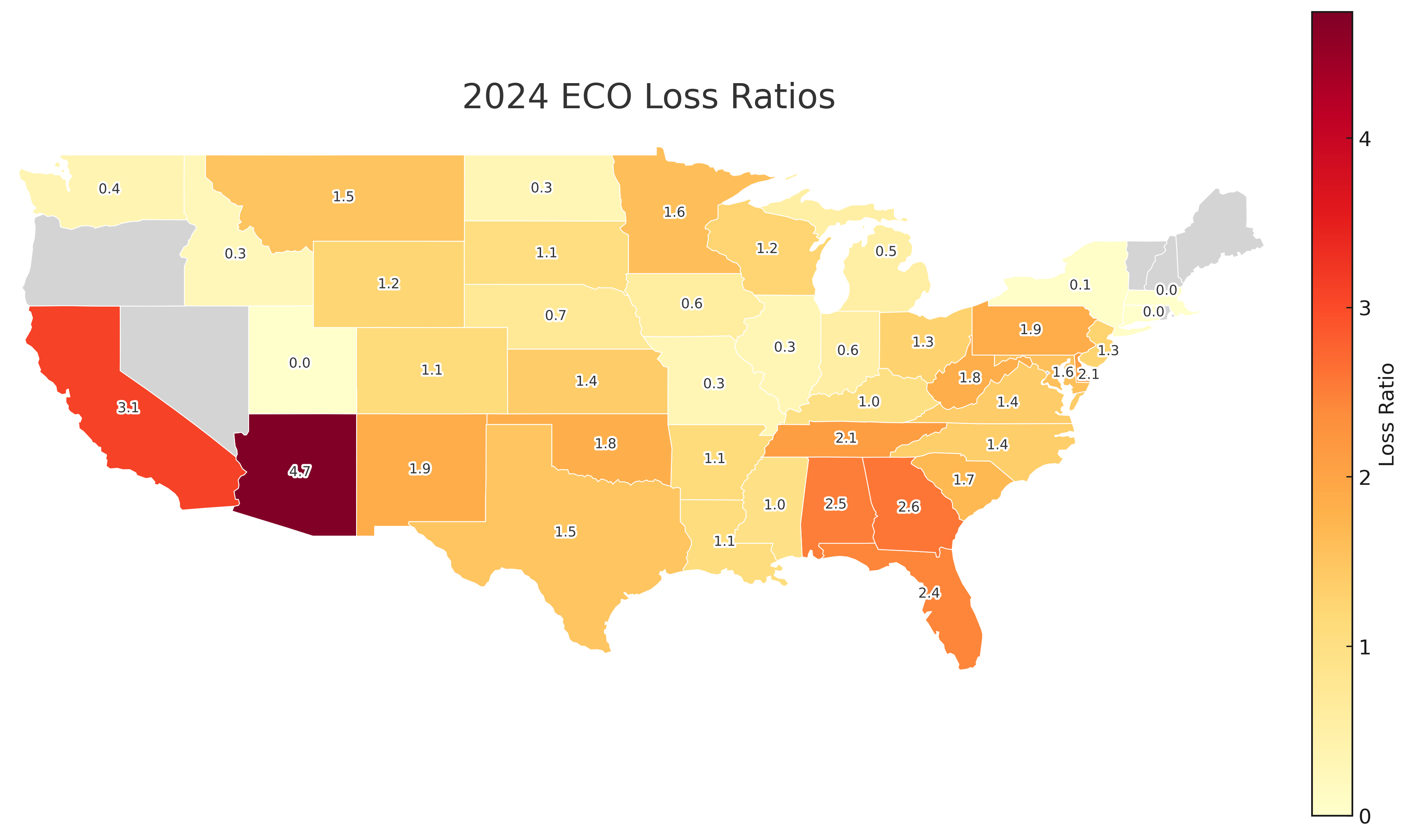
While final 2025 ECO payments are still being calculated, 2024 levels were at near record highs, underscoring the value of these county-based tools. The map below illustrates the loss ratio (ratio of total indemnity payments to total premiums paid).
The OBBBA further strengthened SCO and ECO by setting both at an 80% premium support level for 2026 – meaning farmers only pay 20% of the premium. That’s more than a 40% reduction from 2025 costs and a major shift following the previous increase from 44% to 65%, which already drove a surge in participation.
SCO and ECO trigger payments based on county yield or revenue, so expected county yields and prices directly affect coverage. Many counties have seen yield growth of 20% or more since 2018, enhancing the responsiveness of the county products.
The OBBBA also raised base policy premium support by 3-5%, lowering overall premium costs and making layered protection through ECO and SCO an increasingly cost-effective way to safeguard against volatile markets and rising input costs.
Making Smart Coverage Decisions
Take time to compare ARC, PLC, SCO and ECO carefully as you plan for 2026. Each program covers different layers of risk and, together, can strengthen your financial safety net without significantly raising total insurance costs. Given today’s tight margins, aligning your farm’s risk management strategy with updated premium support levels and reference prices can yield meaningful savings and protection.
Partner with your Compeer Financial crop insurance officer to model scenarios for your operation and design the optimal coverage mix for next year’s growing season.
Crop Insurance
Crop insurance provides farmers with risk management tools to protect against crop loss or the loss of revenue due to declines in crop prices.
Understanding the Benefits of Enhanced Cover…
Strengthen your farm’s crop insurance protection for less with Enhanced Coverage Option (ECO) or Supplemental Coverage Option (SCO).


