The Critical Role of Herd Health
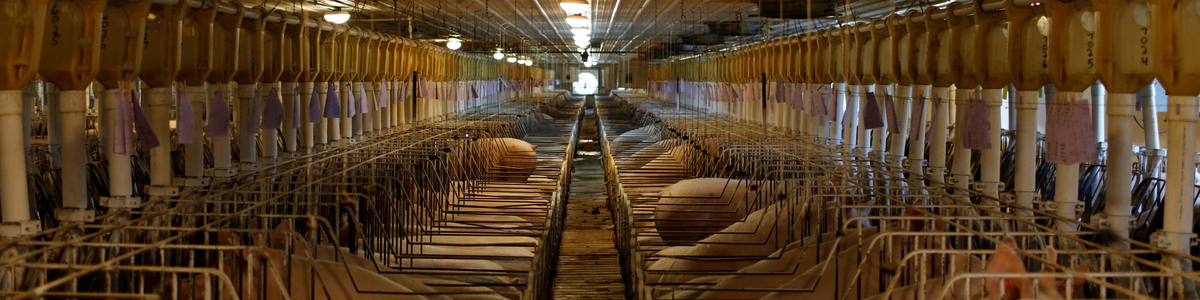
Positioning for Profit in 2026
The U.S. swine industry is entering 2026 with cautious optimism. Healthier herds, manageable feed costs and stable domestic demand have created opportunities for improved profitability. Yet, producers face persistent challenges – from disease prevention to biosecurity and regulatory costs – that require operational focus and financial discipline.
For producers who prioritize herd health and adopt proactive management strategies, the year ahead offers a chance to rebuild balance sheets and capture stronger margins.
The Power of Herd Health
Swine health care remains one of the most significant drivers of profitability. Improved herd health not only enhances production efficiency but also reduces input costs and mortality risk. Producers who invest in strong health programs see measurable returns through better feed conversion and more predictable marketing schedules.
The continued spread of porcine reproductive and respiratory syndrome (PRRS) and other emerging diseases highlights the need for ongoing vigilance. Partnering with veterinarians, nutritionists and ag lenders can help producers stay informed and implement responsive strategies that protect herd health and long-term stability.
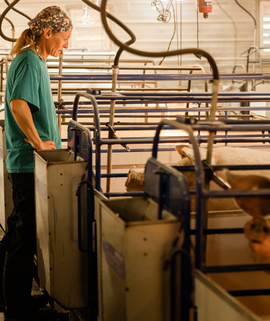
Biosecurity: The Foundation of Herd Performance
A strong swine biosecurity plan is no longer option, it’s essential. Disease outbreaks can reduce productivity, strain cash flow and jeopardize export relationships.
Key steps for effective biosecurity in swine operations include:
- Controlled site access and truck sanitation
- Air filtration and manure management system
- Employee training and visitor protocols
- Regular diagnostic testing and recordkeeping
These measures reduce risk and protect profitability. When combined with ongoing monitoring and real-time data, biosecurity programs provide the foundation for healthier, more resilient herds.
|

Using Risk Management to Protect Profitability
Effective herd health programs go hand in hand with agricultural risk management services. Even with strong production performance, external factors such as market volatility and input price swings can impact margins.
Tools like Livestock Risk Protection (LRP) insurance, futures contracts and flexible financing options help producers lock in profitability and guard against price declines. For 2026, producers who combine sound herd health with active risk management are best positioned to maintain financial strength and capitalize on market opportunities.
Planning Ahead for 2026 and Beyond
With healthier herds, better margins and manageable feed costs, the swine industry is well-positioned for the next production cycle. However, success will depend on more than just favorable markets.
Producers who take a disciplined approach – focusing on health, efficiency and long-term risk mitigation – will continue to thrive. Compeer Financial remains committed to supporting these operations through expert guidance, customized financial solutions and deep industry insight.
Connect with a Compeer Swine Specialist to learn how proactive herd health strategies and risk management tools can strengthen your operation for 2026 and beyond.
|