Inside a Dairy Farm Appraisal: What Adds Value — and What Doesn't
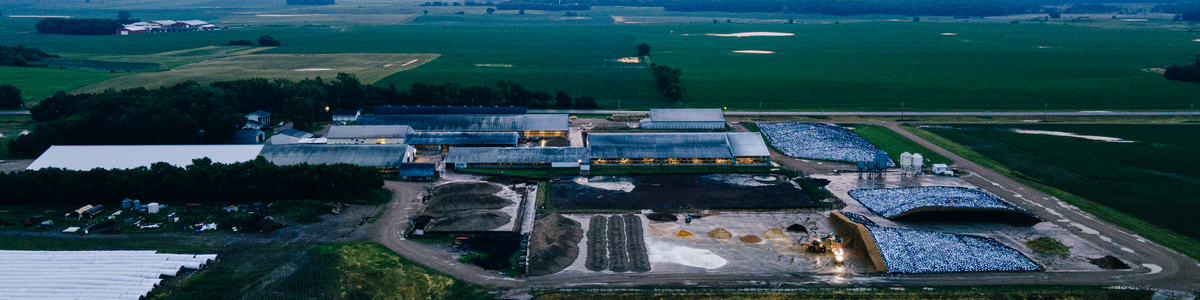
Every improvement on a dairy farm represents an investment, but not every investment contributes equally to its value.
When evaluating a dairy farm, the question isn't simply what improvements exist—it's how those improvements contribute to efficiency, productivity, marketability and long-term success. Understanding what appraisers look for can help producers make more informed decisions whether they're buying, selling, expanding or financing a dairy operation.
While every dairy operation is unique, agricultural appraisers consistently evaluate several characteristics that influence dairy farm value. Understanding these factors can help producers prioritize investments and better prepare for future opportunities.
What Adds Value to a Dairy Farm?
1. Milking Facility Efficiency
The milking facility sits at the center of production. It is often one of the strongest drivers of value on a dairy farm.
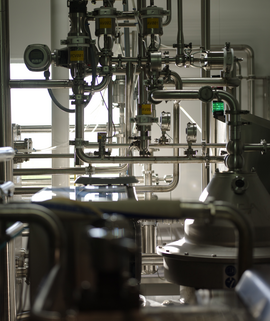
Appraisers look at the type and condition of the parlor or robotic system. They also check how the full setup supports modern dairy practices. This includes holding areas, milk house facilities, cooling systems, and the overall layout.
A functional, well-maintained facility can raise dairy farm value. It can cut labor needs, improve efficiency, and reduce the need for quick upgrades. This can make the farm more attractive to buyers.
2. Barn Layout and Cow Comfort
Cow comfort plays a direct role in herd health, milk production, reproductive performance and overall operational efficiency, all of which influence profitability.
Features like well-designed freestall barns with enough space support a more productive herd.
Proper ventilation, quality bedding, reliable water access and smooth cow flow also help.
From a buyer's perspective, these features also reduce labor demands and management challenges, improving the operation's appeal and functionality.
3. Manure Handling and Environmental Compliance
Manure management and environmental compliance are critical in a dairy appraisal because they affect both functionality and risk.
Adequate storage capacity, well-maintained transfer systems, proper drainage and effective runoff control support efficient operations while helping meet environmental standards.
Buyers view these improvements as essential because they reduce the likelihood of regulatory issues, costly upgrades and environmental liabilities after a sale.
4. Condition and Remaining Useful Life
The condition of farm improvements and their remaining useful life directly influence property value.
Well-maintained, structurally sound and relatively newer assets contribute more value than aging or deteriorating structures.
Farms with deferred maintenance, worn systems or visibly aging dairy facilities often receive lower appraised values because they require additional capital before operating efficiently.
5. Expandability and Marketability
Expandability is often one of the most influential factors affecting dairy farm value.
A dairy operation with room to expand is often more desirable, regardless of its current size.
Access to nearby land can increase value. Expanded permits for feedlots or CAFOs can also help. Keeping more work in-house can strengthen value. This includes raising youngstock or growing feed.
Proper permitting is especially important because regulatory limitations can create hurdles that reduce buyer interest.
In short, a dairy operation that is expandable, self-sufficient and properly permitted is generally more marketable and valuable.
What Adds Less Value Than Expected?
1. Overbuilt or Over-Specialized Improvements
Not every investment translates into equal value.
Improvements that are overbuilt for the size of the operation or highly specialized can limit marketability. Facilities designed for a highly specific management style may not appeal to a broad pool of buyers.
While these investments may require significant capital, they often don't return their full value at sale if they don't align with typical market demand.
2. Deferred Maintenance and Cosmetic Improvements
Condition carries more weight than appearance.
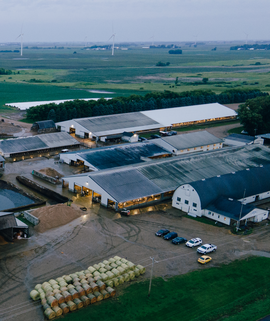
Structural concerns such as deteriorating concrete, aging roofs or poor drainage can significantly reduce property value by signaling future repair costs.
At the same time, cosmetic upgrades such as fresh paint or other minor visual improvements rarely add meaningful value on their own. Buyers prioritize functionality and reliability, and surface-level enhancements do little to offset underlying issues.
3. Technology Without Clear Operational Benefit
Technology can certainly add value—but only when it delivers measurable operational improvements.
Outdated systems that integrate poorly or prove hard to maintain often add little value to a dairy farm appraisal.
Buyers are cautious of technology that requires significant upgrades, retraining or replacement. If it does not clearly cut labor needs or improve herd performance, it likely will not raise overall property value.
Final Perspective
Investment in an operation doesn’t determine a dairy farm appraisal.
We determine it by how effectively each improvement contributes to a productive, efficient, and adaptable dairy farm.
Operations that support modern dairy practices, improve labor efficiency, reduce operational risk and provide opportunities for future growth consistently stand out in today's market. Those that are outdated, inefficient or overly specialized often fall short, regardless of past investment.
Understanding what truly contributes to dairy farm value can help producers make more informed decisions when buying, selling, financing or investing in their operations.
Looking for More Dairy Appraisal Insights?
Whether you are buying, selling, refinancing, or planning ahead, it helps to know what affects the value of a dairy farm. This knowledge can help you make better decisions.
Explore more appraisal resources from Compeer Financial or connect with one of our appraisal specialists to learn more about agricultural property values.