Budgeting for 2027: Questions Every Dairy Producer Should Ask
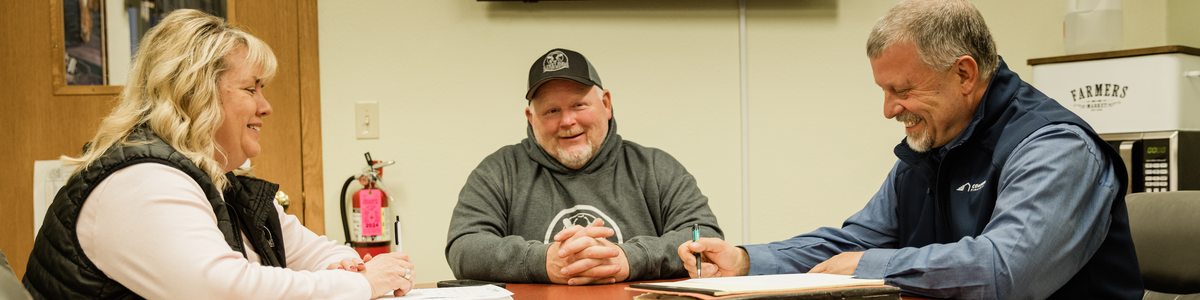
As dairy producers begin planning for 2027, many are asking the same question: What assumptions should I build into next year's budget?
No one can predict milk prices, feed costs, interest rates or labor availability with certainty. But a well-developed dairy farm budget remains one of the best tools for evaluating opportunities, managing risk and making informed decisions.
Successful budgeting is more than forecasting income and expenses. It provides a framework for making decisions about capital investments, debt management, cash flow and future growth. Just as importantly, it gives producers an opportunity to evaluate how changing market conditions could affect the operation before those changes occur.
As you build your 2027 dairy farm budget, consider these four areas.
1. Start With Realistic Revenue Projections
A strong budget begins with realistic assumptions for milk, cull cow and calf revenue.
While it can be tempting to use optimistic milk price forecasts, conservative projections often provide a more reliable foundation for planning. Building a budget around achievable expectations helps producers avoid overestimating income and provides greater flexibility when market conditions become challenging.
When estimating revenue, producers should consider expected milk production, anticipated milk prices, component premiums, quality incentives and income from cull cows and calves.
Revenue projections should reflect historical performance, herd health, forage quality and management practices that may influence production levels throughout the year.
Income from cull cows and calves should not be overlooked. Strong beef and dairy-beef markets have increased the importance of these revenue streams, but prices can fluctuate significantly. Incorporating realistic market assumptions or risk management floors can improve the accuracy of revenue projections.
2. Review Capital Expenditures Carefully
Many dairy farms continue to invest in facilities, equipment and technology to improve efficiency, labor utilization and herd performance. However, rising construction, equipment and borrowing costs make capital planning more important than ever.
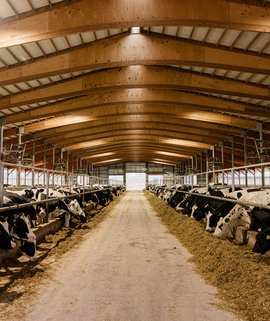
A capital expenditure budget should identify both planned purchases and future investment opportunities, including equipment replacements, facility improvements, technology upgrades, land purchases and expansion projects.
Developing a multiyear capital plan can help prioritize investments and align spending with the farm's long-term goals.
Before moving forward with major projects, producers should evaluate expected returns, financing requirements, cash flow impacts and operational benefits.
Investments that improve labor efficiency, support cow comfort or increase production may provide value beyond what initially appears on a spreadsheet. However, even worthwhile projects must fit within the operation's projected cash flow and debt repayment capacity.
3. Focus on Cash Flow Management
Profitability and cash flow are not always the same.
A dairy operation may be profitable on paper yet still face cash flow challenges if debt obligations, capital expenditures or seasonal expenses are not properly planned.
A comprehensive cash flow budget should include:
- Loan payments
- Capital purchases
- Income tax obligations
- Family living expenses
- Operating line requirements
- Seasonal fluctuations in revenue and expenses
Understanding when cash inflows and outflows occur can help identify periods when working capital may be strained and additional financing may be needed.
Cash flow projections also serve as an important decision-making tool when evaluating major purchases or operational changes. Identifying potential cash shortages early allows producers to adjust spending plans, explore financing options or delay investments before problems arise.
Maintaining adequate working capital remains one of the most important goals of any dairy farm budget. Strong liquidity provides flexibility to manage unexpected expenses, respond to market volatility and capitalize on opportunities as they arise.
4. Assess Debt and Interest Rate Exposure
Debt often plays a critical role in supporting growth, facility improvements, equipment purchases and operating needs.
As part of the budgeting process, producers should review:
- Loan structures
- Variable-rate debt exposure
- Refinancing opportunities
- Upcoming loan maturities
- Margins after debt service
Evaluating debt obligations alongside projected cash flow helps determine whether the operation has sufficient financial capacity to meet current commitments while maintaining flexibility for future needs.
During periods of stronger profitability, it can be tempting to focus solely on growth opportunities. Budget season is also a good time to evaluate whether the operation's debt structure still aligns with long-term goals.
Producers should also consider how changes in interest rates could affect borrowing costs and profitability, particularly if a significant portion of debt carries variable or adjustable rates.
In addition to reviewing debt levels, producers should monitor key financial measures such as working capital, debt-to-asset ratios and equity positions.
These benchmarks provide valuable insight into the farm's financial health and can help identify concerns before they become significant challenges.
A well-structured debt schedule, combined with realistic cash flow projections, can strengthen financial resilience and position the operation for long-term success.
Looking Ahead to 2027
As dairy farms prepare for 2027, budgeting should serve as more than a financial exercise. It should function as a strategic planning tool.
By focusing on realistic revenue assumptions, capital planning, cash flow management and debt oversight, producers can strengthen their operations and improve their ability to respond to changing market conditions.
No budget will predict every market shift or unexpected challenge. However, the budgeting process provides something just as valuable: the opportunity to ask tough questions, test assumptions and evaluate decisions before they affect the operation.
In an industry where conditions can change quickly, that preparation can be one of the greatest advantages a dairy farm has.